
| Brand | Unbranded |
| Manufacturer | Essentially Natural |
| Model Number | 4503 |
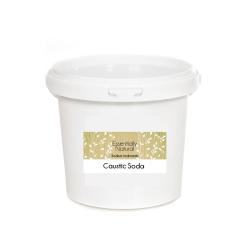
Essentially Natural Caustic Soda Lye is sodium hydroxide, a highly caustic alkali used in soap making to trigger saponification when combined with oils and fats. It is a raw process ingredient rather than a finished cosmetic component, and it is essential for making true hard soap by cold or hot process methods.
Used correctly in a tested soap recipe, the active lye is consumed during saponification. This is a specialist soap-making material and must be handled with strict safety procedures. Why we love it: Caustic Soda Lye is a core soap-making ingredient for makers who want to create true handmade soap from scratch.
It is a specialist raw material, but an essential one for serious soap craft. Key Properties Ingredient: Sodium Hydroxide, NaOH Function: Alkali for soap making Form: Caustic solid Profile: Specialist process ingredient for saponification Suitable For: Cold Process Soap, Hot Process Soap And True Hard Soap Made With Oils And Fats Storage: Store tightly sealed, dry and away from moisture, sunlight and heat What It's Used For Cold process soap making Hot process soap making Producing hard soap through saponification with oils and fats Tested soap recipes that require sodium hydroxide Specialist soap craft Accurate lye calculation for oil-based soap formulas Who It's For This Product Is For: Soap makers following correct lye-handling procedures Makers using verified soap recipes and accurate weighing Cold and hot process soap projects Experienced or well-prepared beginners who understand caustic material handling This Product Is Not For: Cosmetic leave-on products Direct skin application Internal use Food use Children or unsupervised use Anyone unable to follow strict safety procedures Guesswork soap recipes without accurate lye calculation How To Use As a Soap Making Ingredient: Weigh accurately according to a tested soap recipe and calculate lye amounts correctly for the oils used.
Mixing Rule: Always add lye to water, never water to lye. Ventilation Tip: Mix in a well-ventilated area. Equipment Tip: Use suitable lye-safe containers and utensils. Cure Tip: Allow soap to cure fully according to the chosen method before use. Safety Tip: Keep vinegar myths out of emergency handling and flush skin or eyes with plenty of water if exposed.
Safety Instructions Danger: causes severe burns Highly caustic material Always wear protective gloves, eye protection and protective clothing Avoid skin contact, eye contact, inhalation and ingestion Mix in a well-ventilated area Always add lye to water, never water to lye Keep away from children and pets If skin or eyes are contacted, flush with water for at least 15 minutes and seek medical attention Store tightly sealed, dry and away from moisture, sunlight and heat Not suitable for food use Do not store near acids or incompatible materials FAQs Q: Why is lye needed for soap?
A: It is required to convert oils into soap through saponification. Q: Can true soap be made without lye? A: No, true soap made from oils and fats requires an alkali such as sodium hydroxide. Q: Is finished soap harsh because it uses lye? A: When formulated correctly and fully cured, the lye is consumed during saponification and the finished soap should be suitable for normal use.
Q: Is Caustic Soda Lye safe to handle casually? A: No, it is highly caustic and must be handled with full protective equipment and strict safety procedures.
 Related Products
Loading similar products...
Stay informed about the best deals and price drops. Choose which notifications you'd like to receive from PriceCheck.


